Topic
AI for Document Work, from the Ground Up
Most AI explanations are either marketing or maths. These guides sit in between: what actually happens when a model reads your documents, which tasks it is dependable for, where it breaks down, and enough vocabulary to judge a tool rather than take its word for it.
Chat with your documents
Chatting with your documents means uploading your files and asking questions in plain language. Tatsulok answers with citations to the exact source, privately.
Read the article
Verify AI answers
To verify an AI answer, demand a citation to the exact source passage and check the highlighted text against the original document. Here is how.
Read the article
What is AI context
AI context is the background information, your documents, history, and instructions, that a model reads to produce relevant, accurate answers. Here is how it works.
Read the article
AI context window
An AI context window is the maximum amount of text, measured in tokens, a model can consider at once. Here is what it means for working with long documents.
Read the article
Give AI the right context
AI forgets because each chat starts blank and only sees what fits its context window. The fix: give it persistent, retrievable, cited context from your own documents.
Read the article
NotebookLM alternative
Looking for a NotebookLM alternative? The things that matter are privacy and data control, citations to the exact source you can verify, and access across all your work. Here is what to look for, and how Tatsulok compares.
Read the article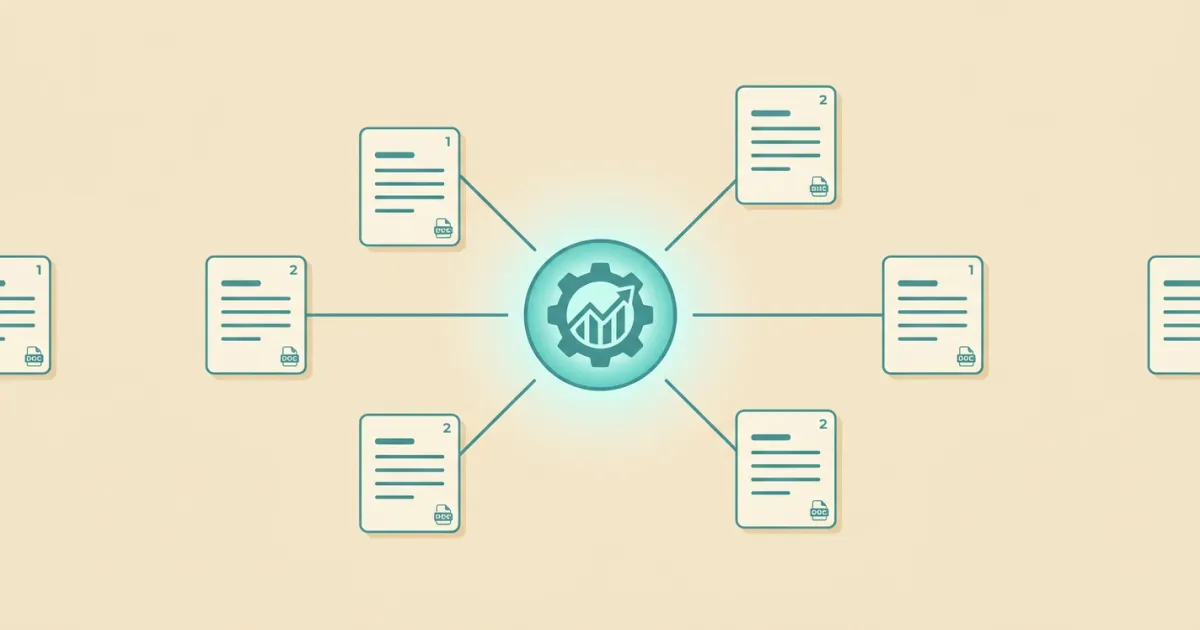
AI knowledge base
An AI knowledge base turns your documents into plain-language, cited answers using semantic search and RAG. Learn how it works and what makes one trustworthy.
Read the article
AI hallucinations
AI hallucinations are confident but false AI answers. Learn why they happen, what they cost in the real world, and how cited answers help you catch them.
Read the article
AI slop
AI slop is low-effort, mass-produced AI content. Learn what it is, what 'workslop' costs teams, and how cited, verifiable AI creates value not noise.
Read the article
AI tools with citations
An honest comparison of AI tools that cite their sources, Scite, Elicit, Consensus, Perplexity, NotebookLM and Tatsulok. Pick the right one by what you need cited.
Read the article
AI Legal Research
Philippine legal research with AI is reliable only when each claim is checked against an official source. Learn how to find, trace, and verify cited law.
Read the article
Legal Citation
To cite Philippine statutes, cases, the Constitution, and rules, give exact identifiers, dates, and pinpoints, then verify each against an official source.
Read the article
Context rot
Context rot is the accuracy drop language models suffer as input grows, long before the window fills. At 32,000 tokens, 11 of 13 models scored under half.
Read the article
Best AI research assistants
We ranked the best AI research assistants of 2026 by one criterion: can you verify the answer? Citation audits, hallucination rates, and which tool fits which job.
Read the article
ChatGPT fake citations
Courts have fined lawyers thousands of dollars for AI-fabricated case citations. The full sanctions record, why ChatGPT invents cases, and the verification workflow that prevents it.
Read the article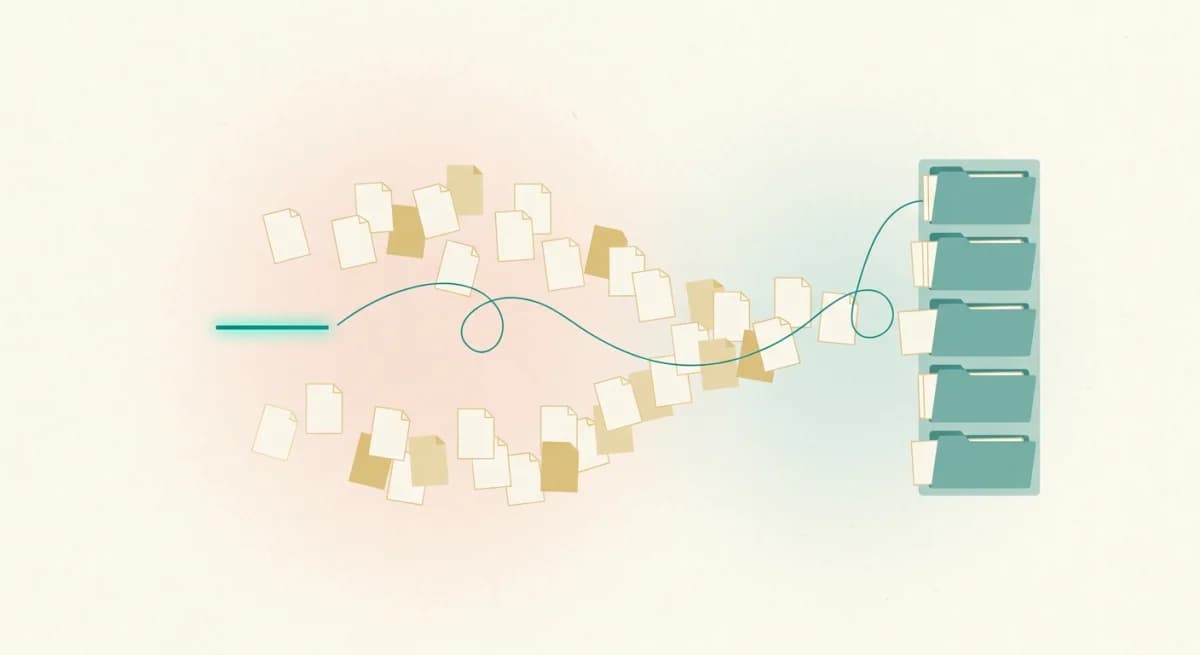
ChatPDF alternative
Outgrowing ChatPDF's 2-PDF daily cap and 120-page limit? Compare alternatives for chatting with documents, and what changes when every answer cites its exact passage.
Read the article
Perplexity alternative
Perplexity is the best cited web-research assistant, yet its citations were still 37% incorrect in Columbia's audit, and it cannot read your own library. When to switch, and to what.
Read the article
AI legal research tools
General chatbots hallucinate on 43% of legal queries and US legal AI barely covers Philippine law. What actually works for PH legal research, from the SC E-Library to grounded AI.
Read the article
The 90-second answer check
How to verify an AI answer in 90 seconds: open the source, compare the claim to the passage, and note what it does not prove. A ritual you can build into a habit, with a practice drill.
Read the article
When AI says I don't know
An AI that admits the evidence is not there is protecting you, not failing you. How to tell an honest gap from a broken refusal, and how to turn "insufficient information" into a better question.
Read the article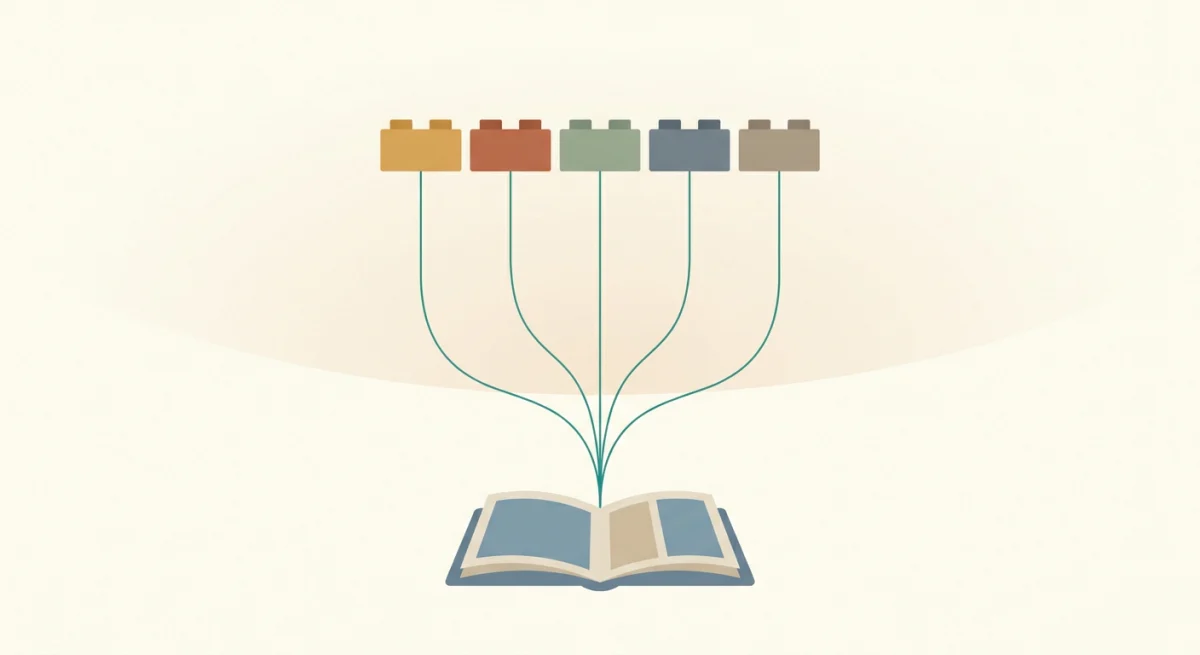
Prompts that force citations
Five prompt elements that force AI to show its evidence: scope the sources, demand a citation per claim, allow honest gaps, set a cutoff, fix the output shape. With a template you can copy today.
Read the article
Propose, don't apply
The propose-dont-apply pattern: AI suggests changes as visible proposals, a human accepts or rejects each one. Why it beats silent automation for contracts, research, and anything you sign.
Read the article
AI for bar exam study
48.98% passed the 2025 Philippine Bar. AI can genuinely help you join them, if you use it as a drill partner grounded in real law instead of a summary machine you cannot check.
Read the article
NotebookLM vs ChatGPT
NotebookLM grounds answers in your uploads; ChatGPT reasons more powerfully but improvises. Which to use when, what neither gives you, and how to decide in one question.
Read the article
Deep research tools
ChatGPT, Perplexity, and Gemini deep research agents write long cited reports in minutes. What they do well, how they differ, and the verification step every one of them hands back to you.
Read the article
AI mistakes at work
KPMG's global study found 57% of employees have made mistakes because of AI, and 58% rely on AI output without checking it. The two-habit fix that protects your work and your name.
Read the article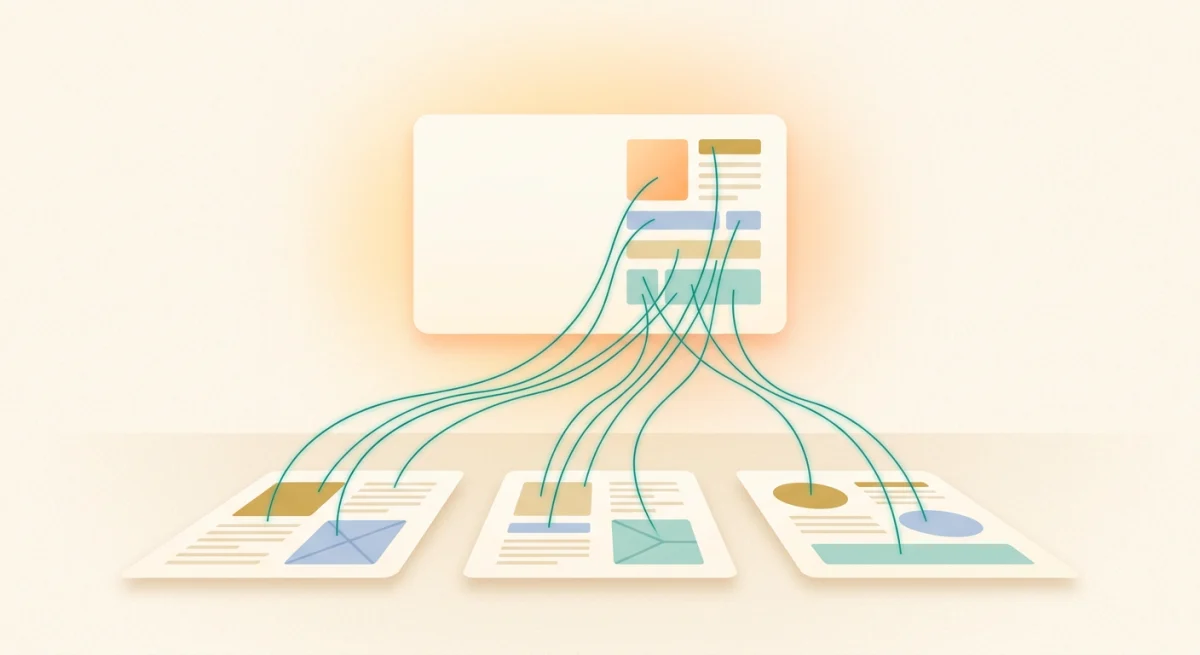
How AI engines cite
Princeton researchers measured what makes AI engines cite a source: citations, statistics, and quotations boosted visibility up to 40%. What that means for trusting AI answers, and for being cited yourself.
Read the article
AI training for employees
Most corporate AI training teaches features that expire in six months. Teach the five durable verification skills instead: a curriculum outline, KPMG's case for it, and a one-hour starting session.
Read the article
Why AI hallucinates
OpenAI's own researchers proved that standard training rewards guessing over admitting uncertainty, so hallucination is structural. What that means for how you use AI, in plain language.
Read the article
AI checking AI
Asking one AI to verify another feels rigorous, but research measured a 64.5% self-correction blind spot and shared failure modes. What independent verification actually requires, in plain language.
Read the article
Google AI Overviews trust
A 2026 study found AI Overviews correct about 91% of the time but fully supported by their own citations only 39% of the time. Why a citation is a pointer, not a proof, and the 20-second check.
Read the article
Why people don't fact-check
A 5,000-person survey caught the contradiction: people believe verification is the user's responsibility, and the largest single group says they do not want to check. What closes that gap is cost, not willpower.
Read the article
The AI literacy gap
In a 2026 Japanese AI literacy study, only 14.0% correctly described what generative AI does, while 45.3% picked the belief that it fully understands your intent unprompted. That belief is what makes checking feel unnecessary.
Read the article
What digital transformation means
Digital transformation means turning what you already do into information you can look up, check, and decide from. No software needed to start.
Read the article
The software entry fee
For thirty years, business software charged an entry fee: learn its system first. The 70 percent failure number is not real. It was never you.
Read the article
Plain language is the interface
Type what you want in ordinary words and the software does the rest. What changed, why beginners gain the most, and a ten minute drill with one receipt.
Read the article