What is AI context, and why does it decide the quality of every answer?
AI context is the background information a model reads before it answers: your documents, the conversation so far, and the instructions it was given. It is the model's working memory. With the right context, an AI gives specific, accurate answers about your actual situation; without it, you get fluent text that sounds confident but knows nothing about you. The reliable way to give an AI context is to ground it in sources you control and have it cite them, so you can see exactly which context produced each answer.
Updated

What does context mean in AI?
In AI, context is everything supplied to the model at the moment it answers, beyond what it learned during training. That includes the instructions it is given, the conversation history, any documents or data retrieved for the question, and the outputs of tools it can call. Together these form the working memory the model reasons over for that one response.
This is different from the model's training knowledge, which is fixed, general, and impossible to inspect. Training knowledge is why a model can write fluent prose about almost anything; context is what lets it speak to your contract, your policy, or your dataset specifically. When people say an answer was generic or off-base, the cause is almost always missing or wrong context, not a weak model.
Context is what turns a plausible-sounding guess into a grounded answer. A 2025 review in Artificial Intelligence Review concludes that grounding a model in retrieved source material improves factual accuracy and reduces hallucination, though it is necessary, not sufficient, since a model can still misread its sources.
Why does context determine answer quality?
A model with no context can only answer from its general training data, so it produces something plausible-sounding but not tied to your reality. Give it the right context, the relevant passages from your own files, and it answers about your situation precisely. The single biggest lever on answer quality is the relevance of the context the model sees, not the cleverness of the question.
This is also where errors come from. If the context is missing the key document, or includes the wrong one, the model fills the gap with a confident guess, which is what people experience as a hallucination. Getting context right is therefore not a nice-to-have; it is the difference between a generic chatbot and an assistant you can rely on for real work.
Where does AI context come from?
Context is assembled in layers. The first is the system instruction, which sets the model's role and rules. The second is the conversation history, so the model remembers what you have already discussed. The third, and most important for professional work, is retrieved documents: the specific passages pulled from your own files to answer the question at hand. A fourth layer is live data from connected tools, such as search or a calendar.
The document layer is where your knowledge enters the answer. A general chatbot has only the first two layers and its training data, which is why it cannot speak to your internal material. A tool built for document work retrieves the right passages from your library and places them in context, so the answer is grounded in sources you actually own.
How does Tatsulok give AI your context, verifiably?
Tatsulok builds the context for each answer from your own documents, then cites the answer back to the exact source passage, with a highlighted preview and a link to the original. So you do not just get an answer shaped by your context, you can see which context produced it and confirm it in seconds.
Your documents and prompts stay private by default, are encrypted in transit and at rest, and are never used to train any AI model. You decide which files are in scope and who can access them. The result is AI with your context, where the context is verifiable rather than a black box.
FAQ
- What is the difference between AI context and training data?
- Training data is the general knowledge a model learned in advance; it is fixed and cannot be inspected. Context is the specific information given to the model at answer time, such as your documents and the current conversation. Context is what lets a model answer about your situation rather than in generalities.
- Is AI context the same as a prompt?
- No. A prompt is the question or instruction you type. Context is broader: it includes your prompt plus the conversation history, any retrieved documents, system instructions, and tool outputs the model reads to answer. The prompt is one part of the context.
- How much context can an AI use at once?
- An AI can only consider a limited amount of context at one time, set by its context window and measured in tokens. When your material is larger than the window, a tool has to retrieve the most relevant passages rather than feed in everything, so answers stay grounded even across large libraries.
- Does giving AI my documents as context keep them private?
- It depends on the tool. With Tatsulok, documents used as context are private by default, encrypted in transit and at rest, and never used to train any AI model. You control which files are in scope and who can access them.
- How do I know which context an answer came from?
- Look for citations. Tatsulok cites its answers to the source passage it used, with a highlighted preview and a link to the original document, so you can see precisely which context produced each statement and verify it yourself.
Sources
Related guides
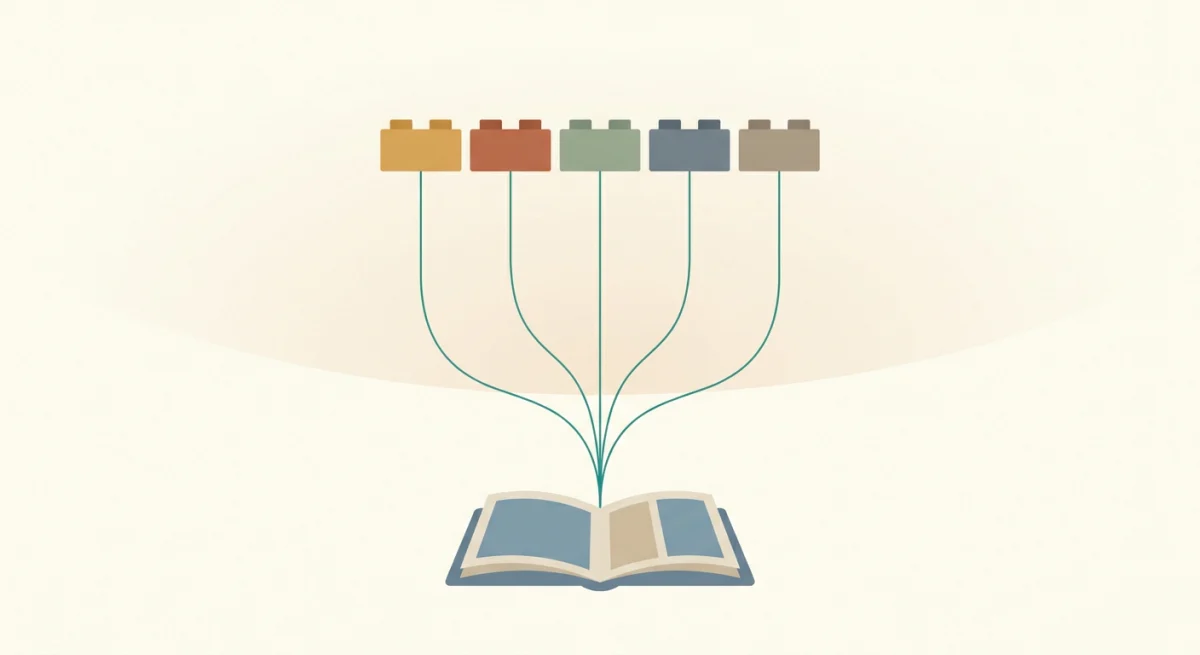
Prompts that force citations
Five prompt elements that force AI to show its evidence: scope the sources, demand a citation per claim, allow honest gaps, set a cutoff, fix the output shape. With a template you can copy today.
Read the article
Chat with your documents
Chatting with your documents means uploading your files and asking questions in plain language. Tatsulok answers with citations to the exact source, privately.
Read the article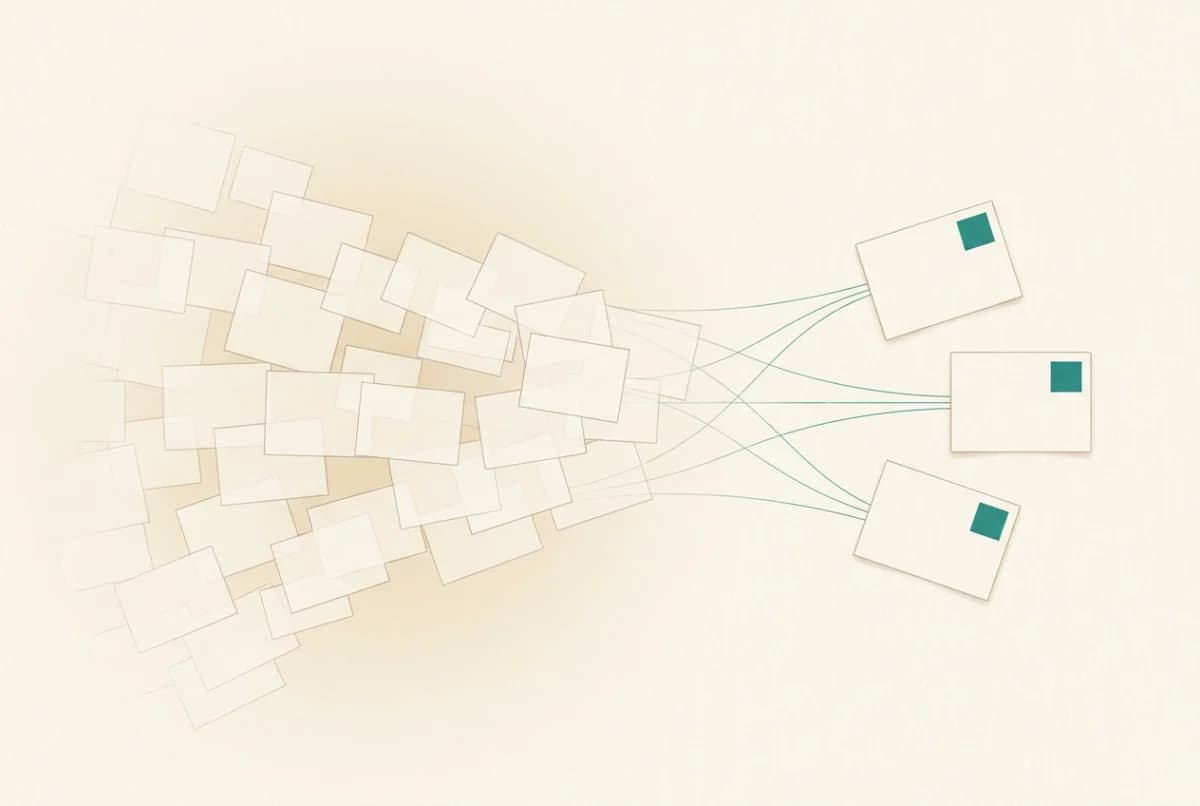
Context rot
Context rot is the accuracy drop language models suffer as input grows, long before the window fills. At 32,000 tokens, 11 of 13 models scored under half.
Read the article