Topic
Philippine Law, Read and Cited Properly
Philippine primary law comes from three places: statutes enacted by Congress, decisions of the Supreme Court interpreting them, and issuances from agencies implementing them. Answering a real question usually means reading all three, because a statute alone rarely tells you how it is applied. These guides cover where to find each source, how to check it is current, and how to cite it so a reader can verify you.
The three layers of Philippine law
A statute gives the rule. A Supreme Court decision tells you how that rule is actually applied, and the Court's interpretation binds lower courts. An agency issuance fills in the operational detail the statute delegated.
Most wrong answers come from reading only one layer. A Labor Code article on its own will not tell you what evidence satisfies its standard; that lives in decided cases. An agency circular on its own will not tell you whether it exceeded the authority the statute granted it.
How to tell whether the text is current
Philippine statutes are amended in place by later Republic Acts, so a copy that looks complete can still be out of date. Two habits protect you.
First, check for amending laws before relying on any provision, not after. Second, prefer an official source for text you will act on, and treat convenient unofficial indexes as a way to find the material rather than as the authority for it.
Watch for renumbering too. The Labor Code is the common trap: the same provision appears as Article 282 in the original text and as Article 297 in many modern sources, which is why quoting the language alongside the number is safer than the number alone.
Why citation is the whole game
A legal claim without a citation cannot be checked, and an unverifiable claim is worth very little regardless of whether it happens to be correct.
A usable citation names the instrument, the specific provision, and enough of the language that a reader can confirm you read it the way you say you did. For a case, that means the title and the holding you rely on, not just a reference to the decision as a whole.
This is the standard these guides hold themselves to. Every legal statement in them quotes the provision it rests on and links to the full text, so you can disagree with the reading and check the source yourself.
Guides in this topic
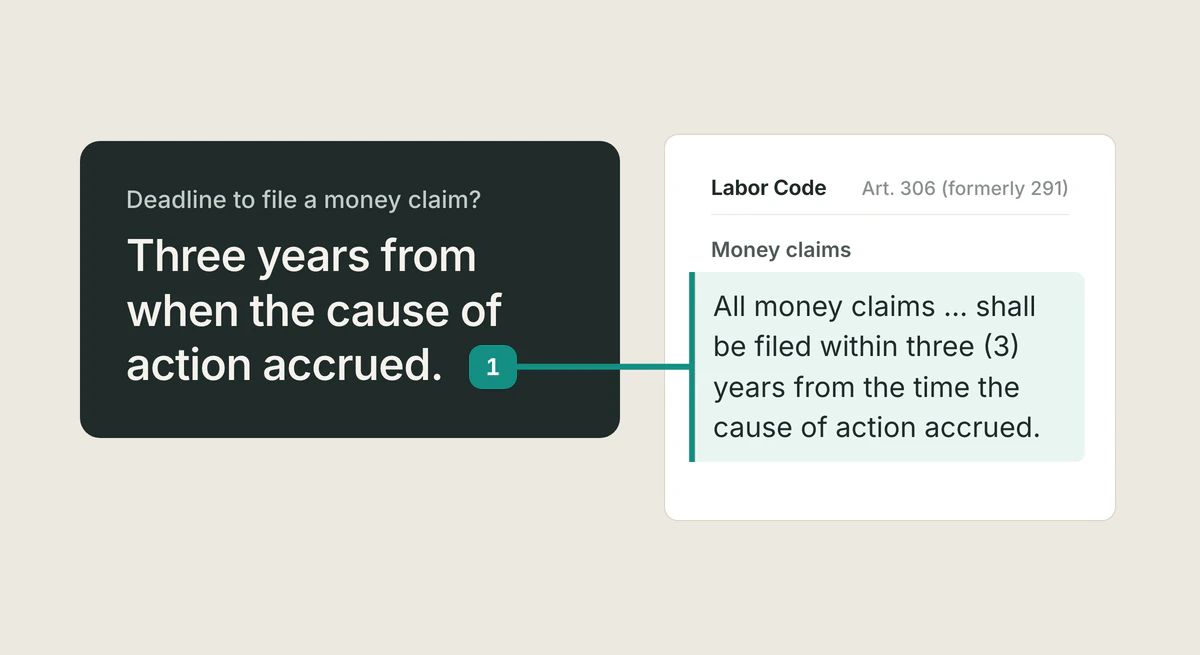
AI Legal Research
Philippine legal research with AI is reliable only when each claim is checked against an official source. Learn how to find, trace, and verify cited law.
Read the article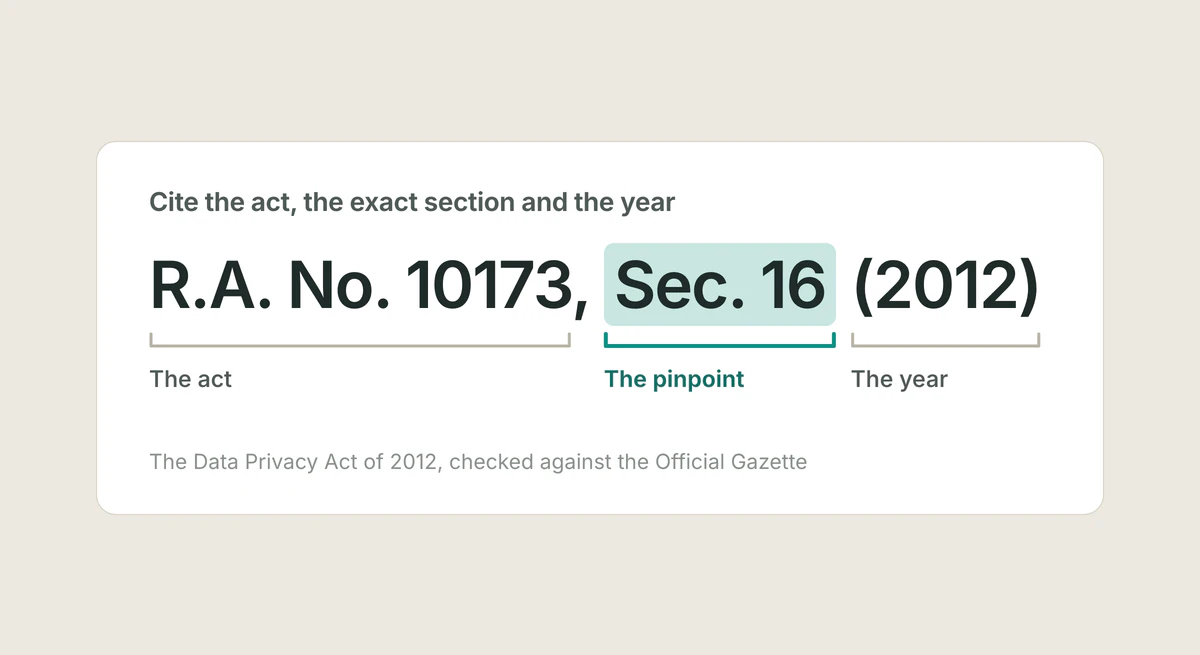
Legal Citation
To cite Philippine statutes, cases, the Constitution, and rules, give exact identifiers, dates, and pinpoints, then verify each against an official source.
Read the article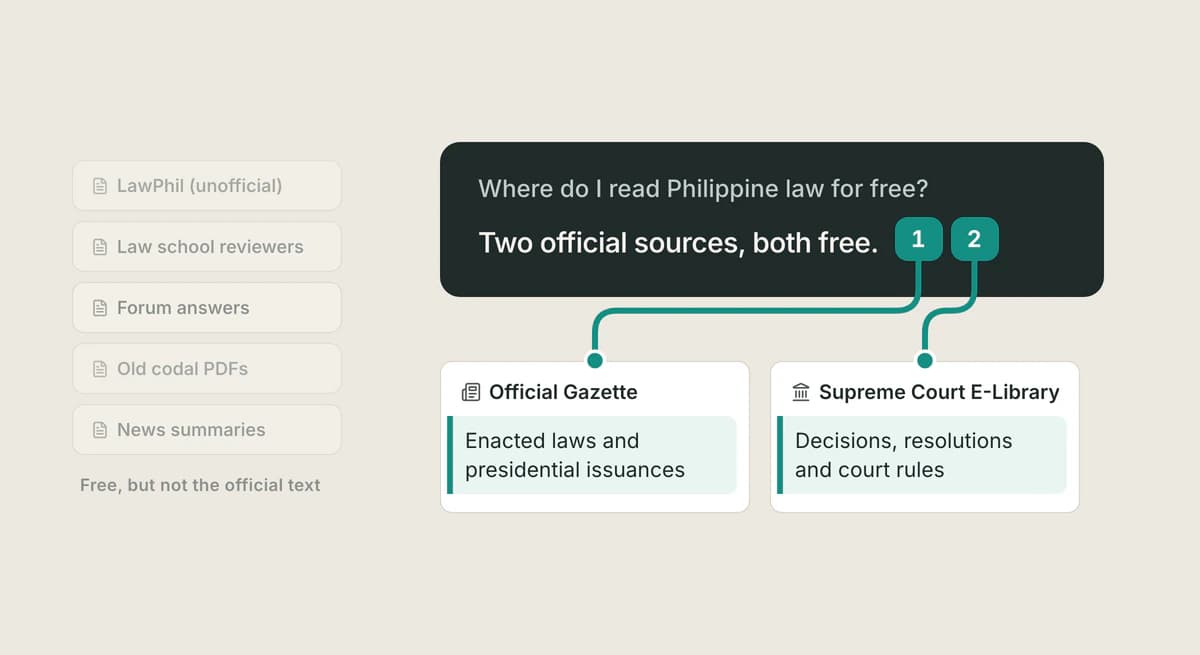
Free Legal Resources
Find free Philippine legal research sources for laws, cases, court rules, bills, and agency issuances, with clear guidance on authority and verification.
Read the article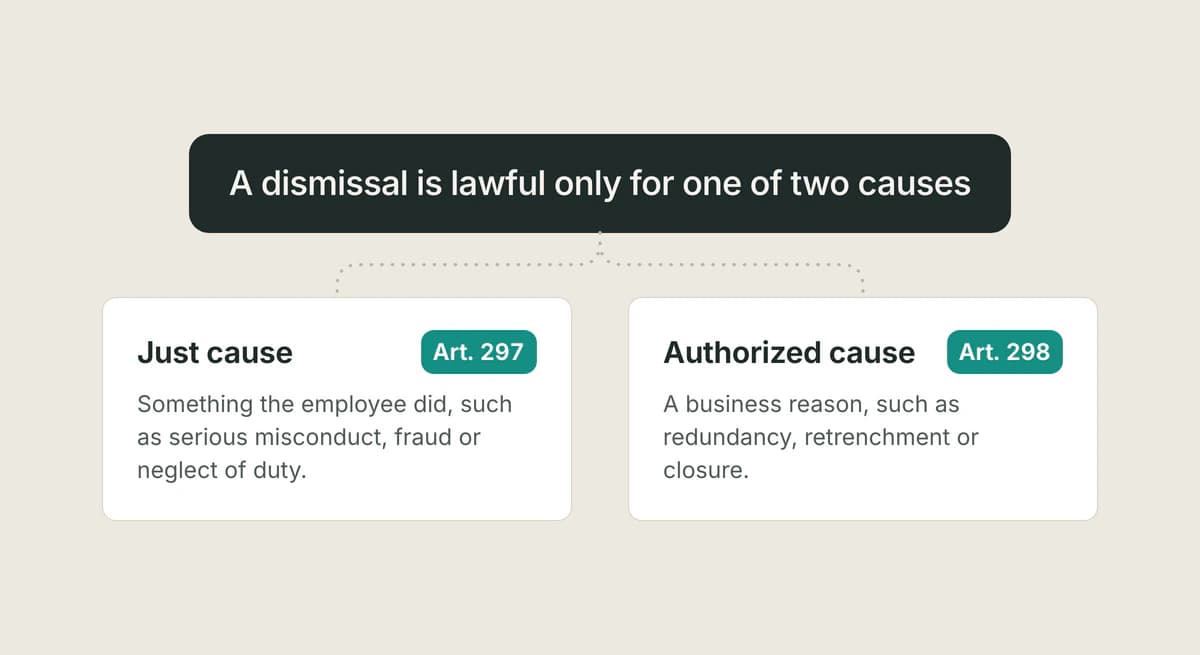
Illegal Dismissal
What makes a dismissal illegal in the Philippines, the just and authorized causes, the notices your employer owes you, and who carries the burden of proof.
Read the article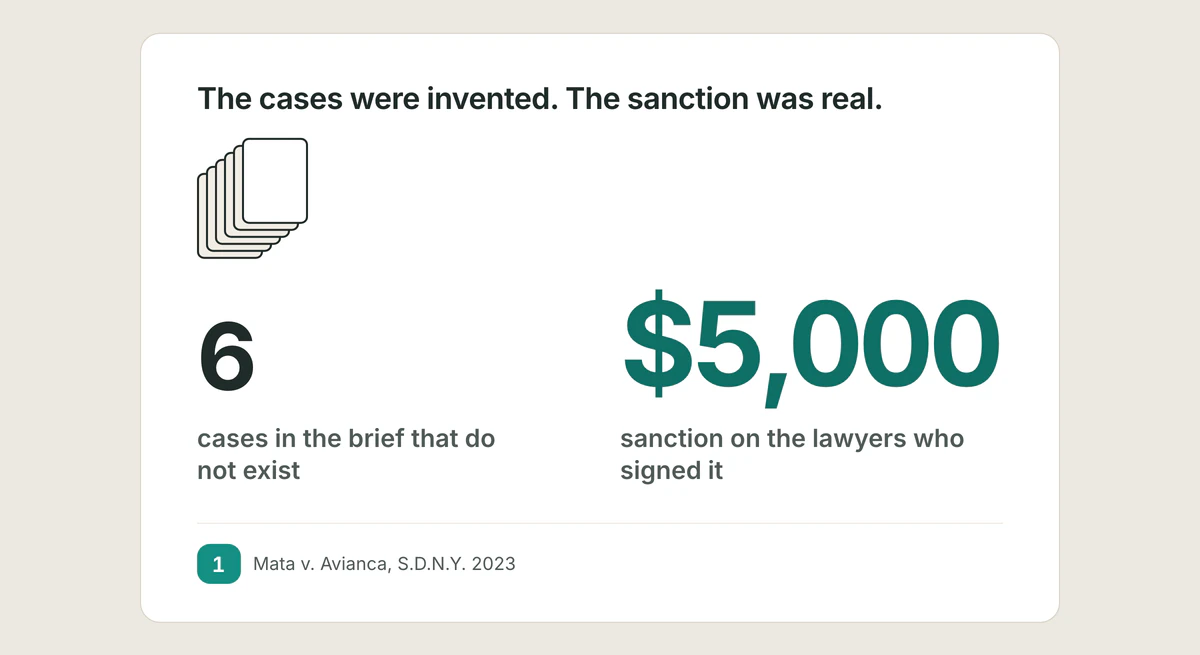
ChatGPT fake citations
Courts have fined lawyers thousands of dollars for AI-fabricated case citations. The full sanctions record, why ChatGPT invents cases, and the verification workflow that prevents it.
Read the article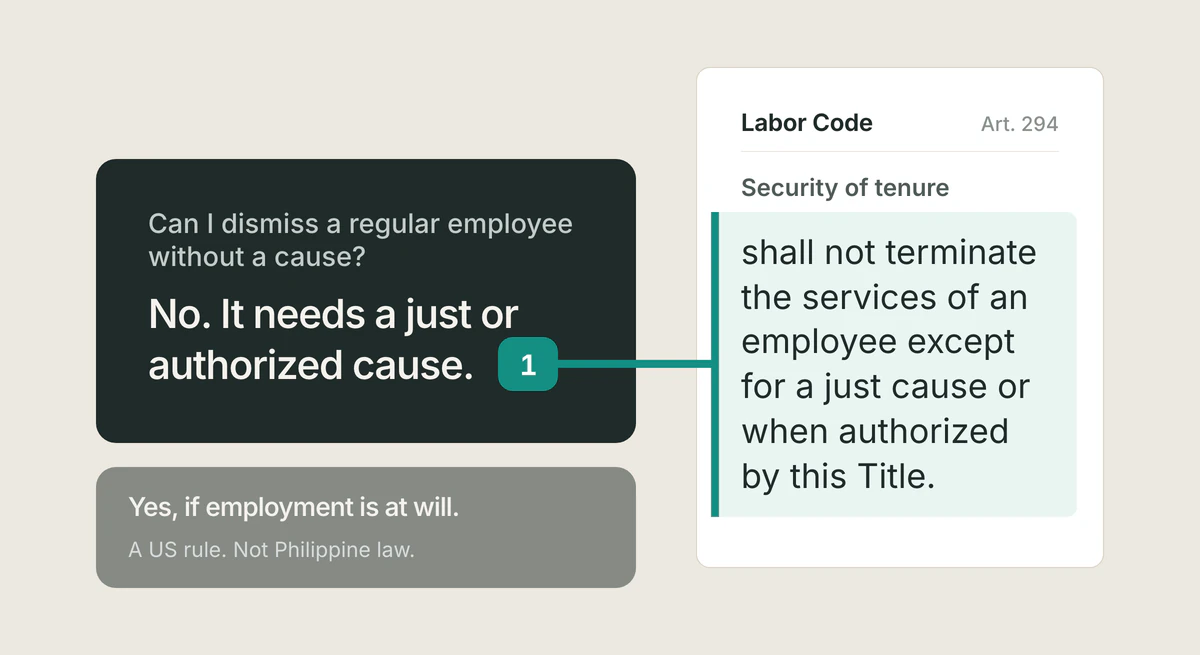
AI legal research tools
General chatbots hallucinate on 43% of legal queries and US legal AI barely covers Philippine law. What actually works for PH legal research, from the SC E-Library to grounded AI.
Read the article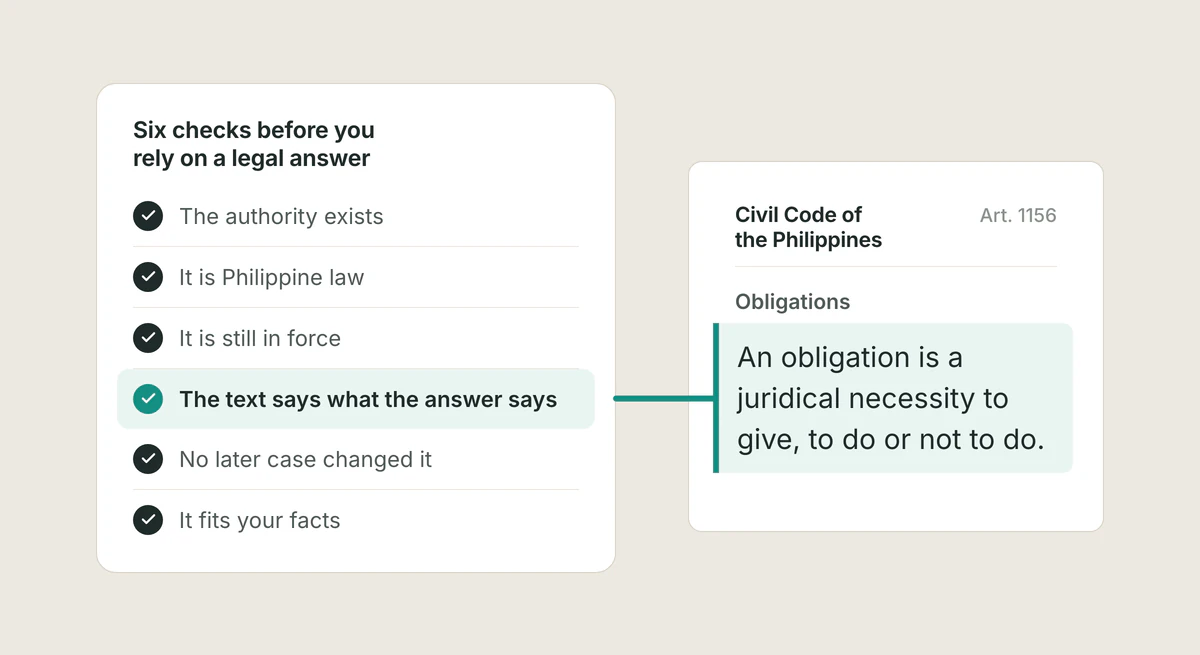
Verify PH legal AI answers
The six-point check for any AI claim about Philippine law: existence, jurisdiction, currency, the actual text, later treatment, and factual fit. With the free sources to check against.
Read the article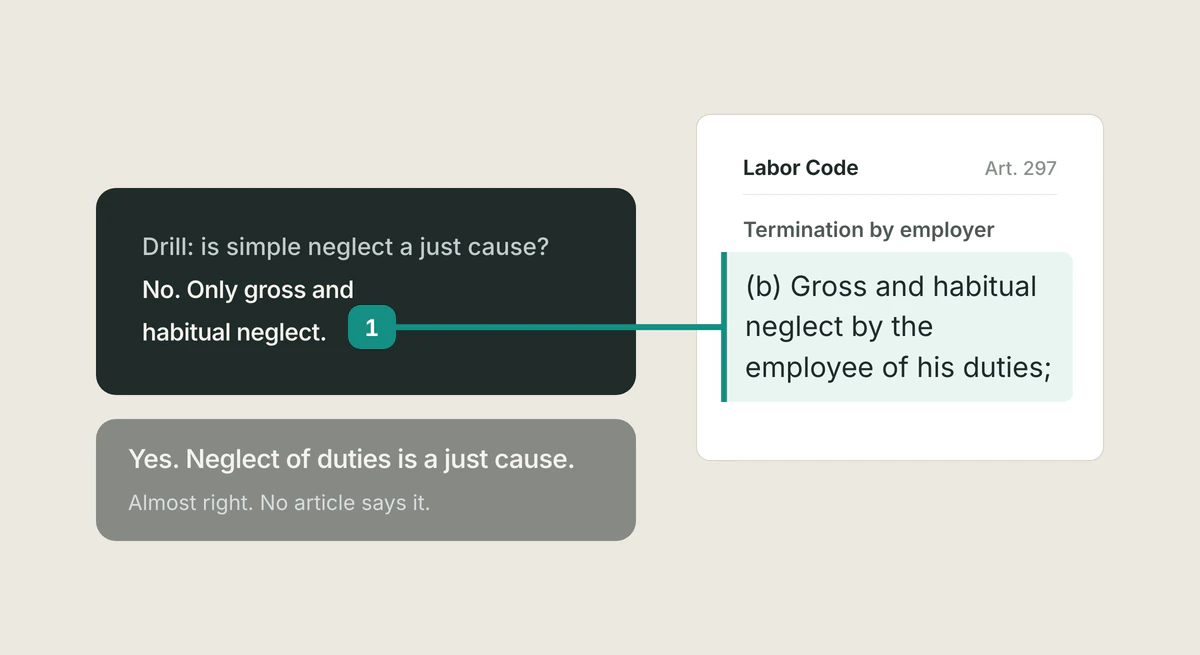
AI for bar exam study
48.98% passed the 2025 Philippine Bar. AI can genuinely help you join them, if you use it as a drill partner grounded in real law instead of a summary machine you cannot check.
Read the article