Blog
Blog
Practical, answer-first articles on working with your own documents, privately, with every answer cited to its source.
Chat with your documents
Chatting with your documents means uploading your files and asking questions in plain language. Tatsulok answers with citations to the exact source, privately.
Read the article
Private RAG Guide
RAG (retrieval-augmented generation) lets AI search your internal documents and answer with citations to the exact source. Learn how private RAG and verification work.
Read the article
Verify AI answers
To verify an AI answer, demand a citation to the exact source passage and check the highlighted text against the original document. Here is how.
Read the article
Private AI for teams
Private AI means your documents and prompts are never used to train any model, stay encrypted, and access is controlled. How to choose one for your team.
Read the article
What is AI context
AI context is the background information, your documents, history, and instructions, that a model reads to produce relevant, accurate answers. Here is how it works.
Read the article
AI context window
An AI context window is the maximum amount of text, measured in tokens, a model can consider at once. Here is what it means for working with long documents.
Read the article
Context engineering vs. RAG
Context engineering is the practice of curating everything an AI sees at answer time; RAG is one technique within it. Here is how they relate and when each matters.
Read the article
Give AI the right context
AI forgets because each chat starts blank and only sees what fits its context window. The fix: give it persistent, retrievable, cited context from your own documents.
Read the article
Data room checklist
A startup data room for fundraising should include your pitch deck, cap table, financials, legal documents, and proof of traction, organized so investors can verify every claim. Here is the full checklist.
Read the article
NotebookLM alternative
Looking for a NotebookLM alternative? The things that matter are privacy and data control, citations to the exact source you can verify, and access across all your work. Here is what to look for, and how Tatsulok compares.
Read the article
AI knowledge base
An AI knowledge base turns your documents into plain-language, cited answers using semantic search and RAG. Learn how it works and what makes one trustworthy.
Read the article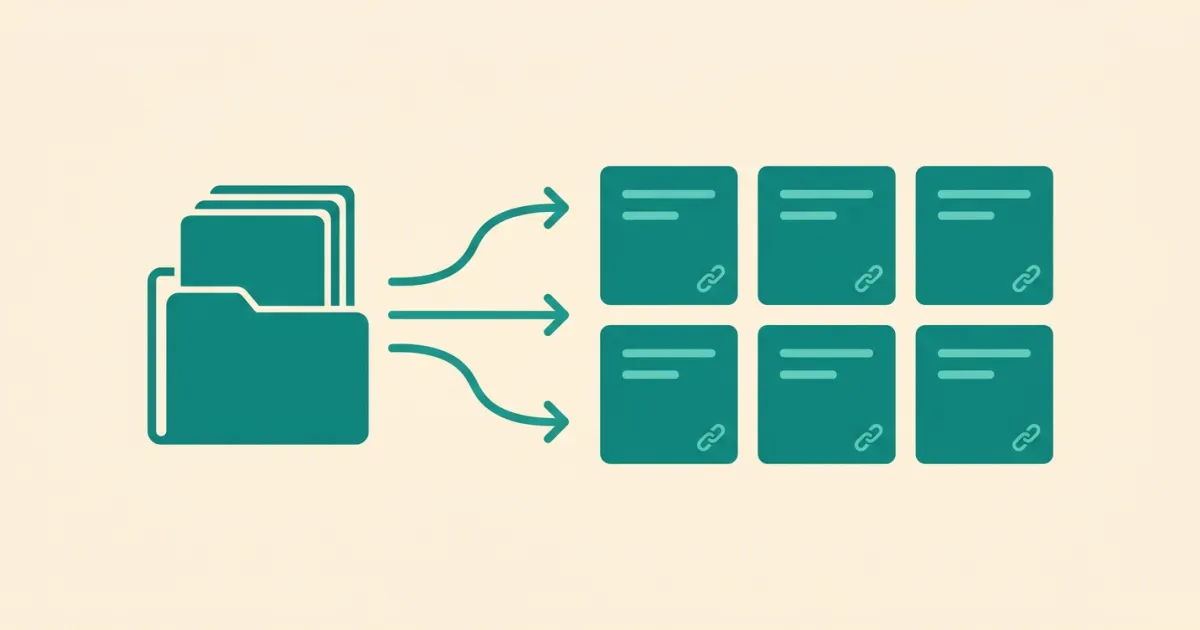
Knowledge base from documents
A step-by-step guide to turning a folder of documents into an AI knowledge base: gather, upload, ask, and verify. No tagging, schema, or code required.
Read the article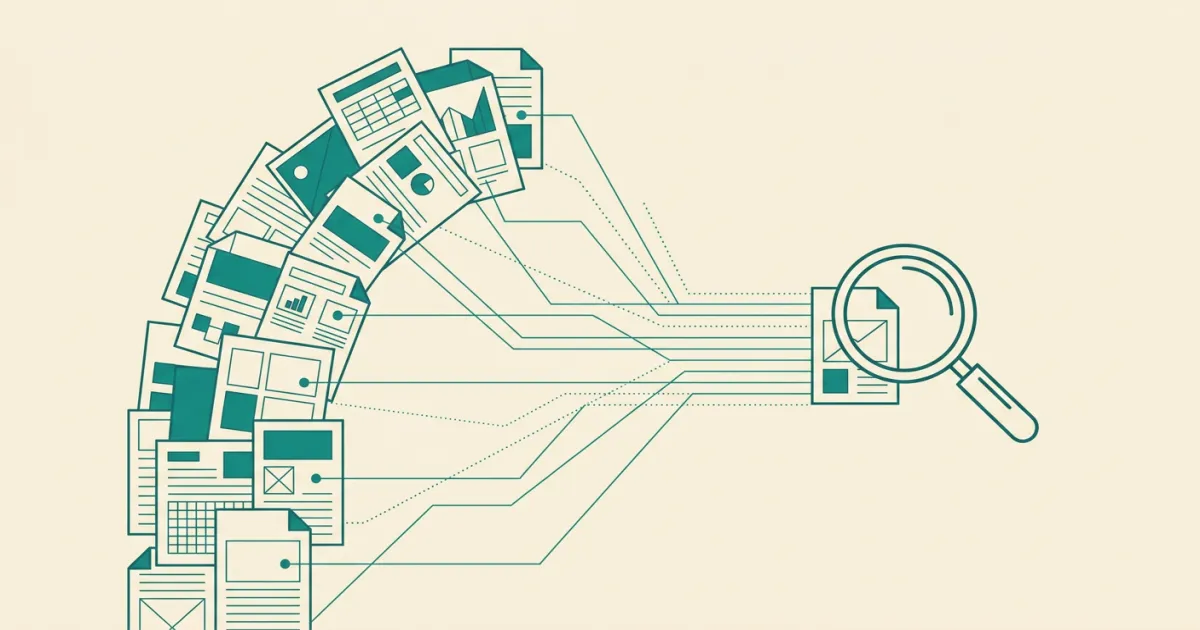
Hebbia alternative
Looking for a Hebbia alternative? Tatsulok gives cited, verifiable answers from your documents with team sharing, without enterprise per-seat pricing.
Read the article
Glean alternative
A Glean alternative focused on cited, verifiable answers from your documents and access-controlled sharing, rather than a company-wide SaaS search deployment.
Read the article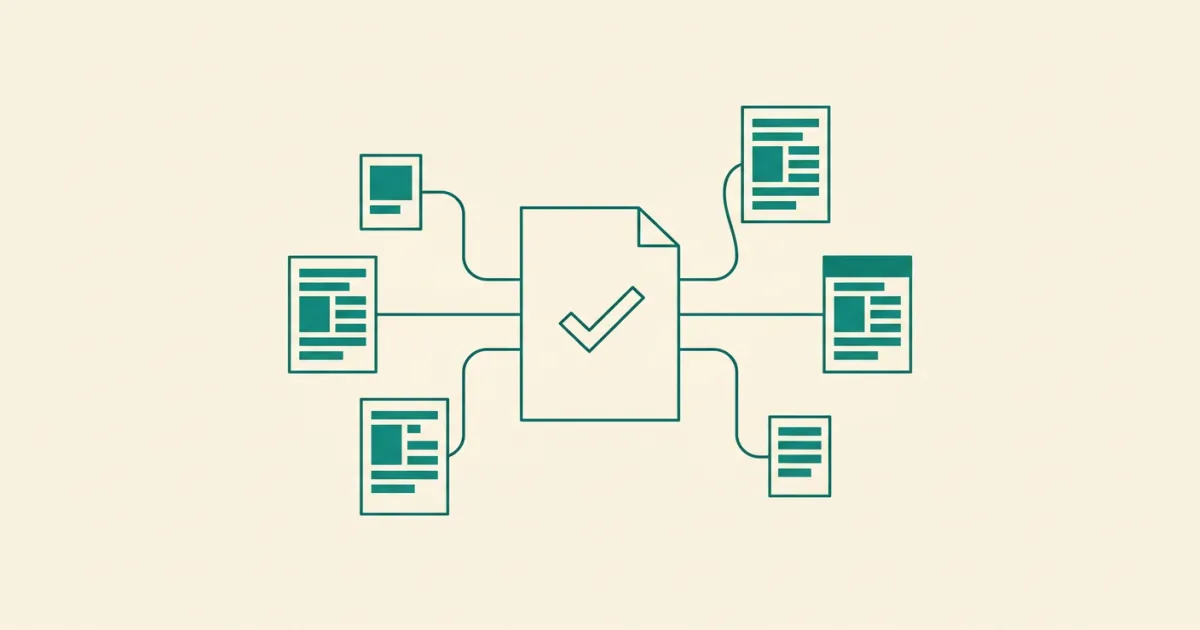
Harvey AI alternative
A Harvey AI alternative for teams that want cited, verifiable answers from their documents across domains, not only legal, with access-controlled sharing.
Read the article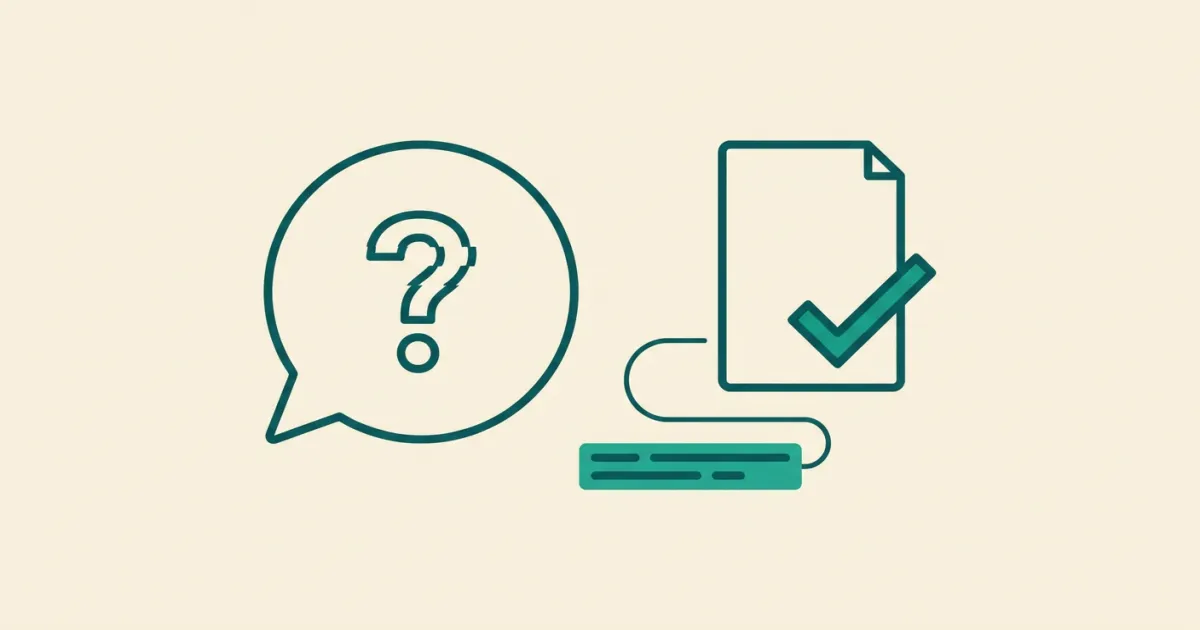
AI hallucinations
AI hallucinations are confident but false AI answers. Learn why they happen, what they cost in the real world, and how cited answers help you catch them.
Read the article
AI slop
AI slop is low-effort, mass-produced AI content. Learn what it is, what 'workslop' costs teams, and how cited, verifiable AI creates value not noise.
Read the article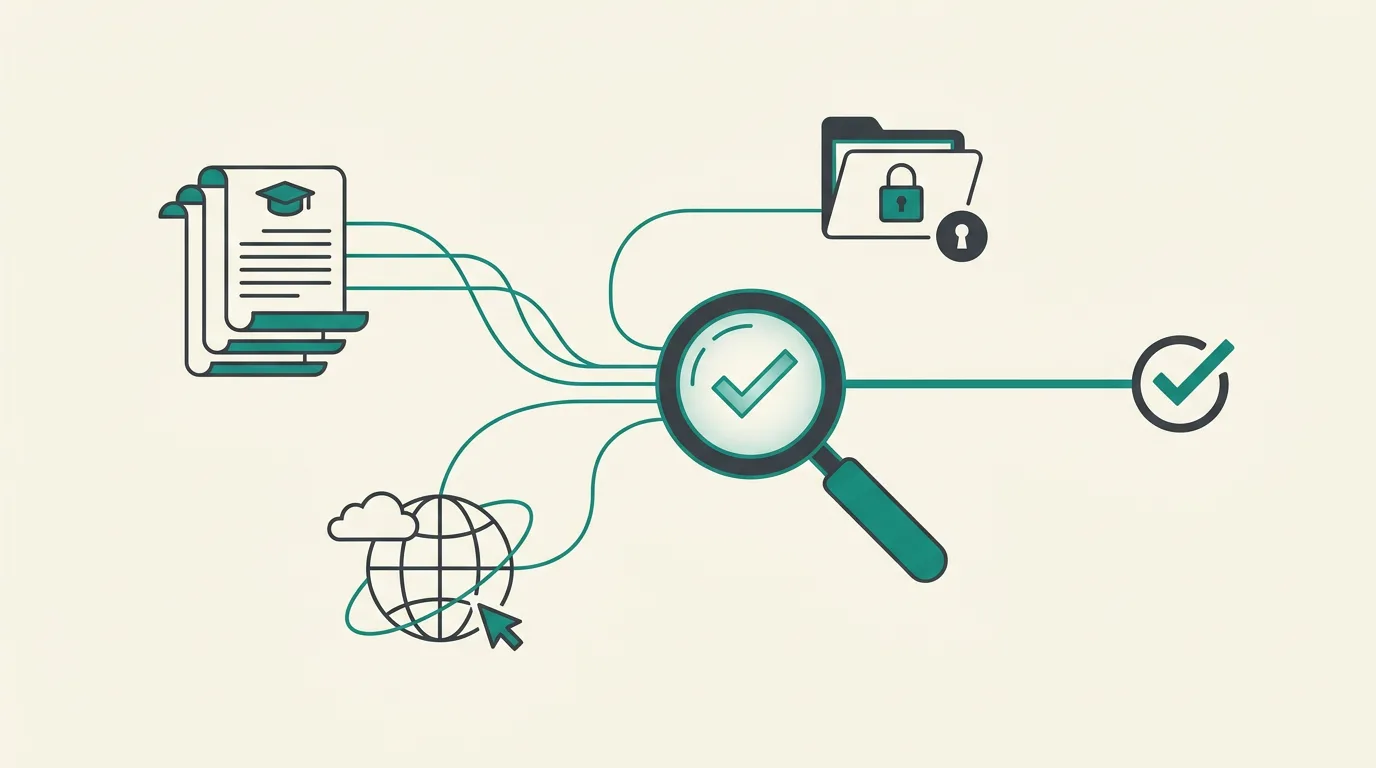
AI tools with citations
An honest comparison of AI tools that cite their sources, Scite, Elicit, Consensus, Perplexity, NotebookLM and Tatsulok. Pick the right one by what you need cited.
Read the article